Salford’s MediaCity (previously known as dock10) played a key role in the BBC’s coverage of the FIFA World Cup, delivering over 120 hours of live content from the studios.
Over the course of the tournament, MediaCity Studios and Post delivered:
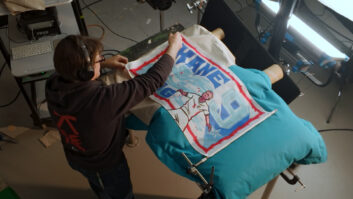
- More than 325 days of editing across the six weeks of the tournament from MediaCity Post
- Over 1500 shifts delivered from the Studio block alone with many supporting digital content creators and back office teams
- Reach of 42.8 million on BBC TV and 237 million streams on BBC iPlayer and the BBC Sport website and app
- 154 hours of content produced from MediaCity’s pitch side Content Pavilion studio
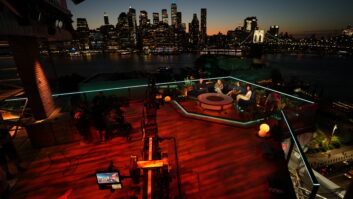
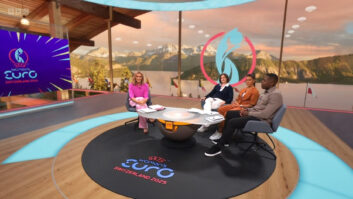
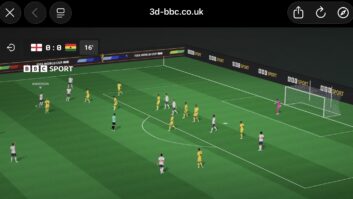
The BBC opted to base its presenters and pundits in Salford, employing a virtual screen to take viewers to the location of each match. Across the six weeks of the tournament, MediaCity delivered 54 bespoke virtual environments, changing from day to dusk and night depending on fixtures and live output.
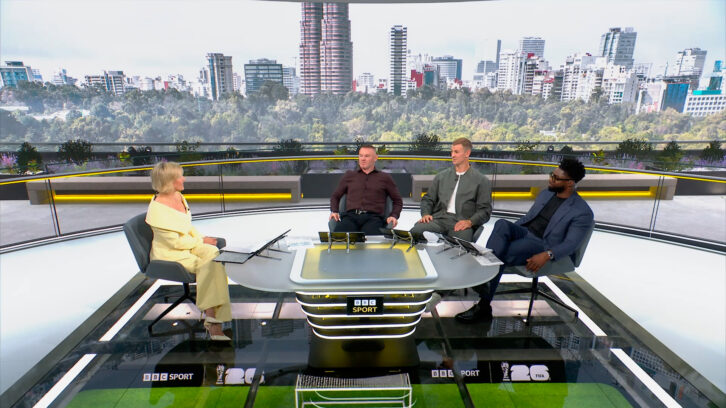
Using Unreal Engine and Pixotope virtual production software for the first time, MediaCity Studios created virtual environments precisely aligned with the physical studio space using LiDAR scanning and camera calibration. Each broadcast camera underwent weeks of calibration to achieve sub-millimetre accuracy, blending the physical and virtual worlds for viewers at home, said the facility.
Andy Waters, head of studios at MediaCity said: “The World Cup demonstrates the breadth of capability we’ve built at MediaCity Studios. Combining virtual production, live broadcasting and complex engineering is part of what our teams do, and this project brought those capabilities together at an exceptional scale. It’s ultimately the expertise of our people and our partnership with the BBC that made it possible.”