England’s Round of 16 clash with FIFA World Cup 2026 co-host Mexico delivered one of the most entertaining knockout matches of the tournament. After an hour-long weather delay at the Azteca Stadium, England took the lead before Mexico fought back against a team later reduced to 10 players. England held on to secure a 3-2 victory and a place in the quarter-finals.
Throughout the tournament, Yospace has been collecting streaming and advertising data from 14 OTT rights-holders worldwide to illustrate how the drama in major live events like the World Cup shapes audience trends and advertising opportunities. In this article, we’ll look at how this highly-anticipated match kept viewers engaged and created valuable monetisation opportunities for broadcasters.
A steadily building audience before half-time
Following a delayed kick-off due to stormy weather around the stadium, audiences built gradually throughout the opening stages before accelerating towards the end of the first half.
The first half was a slow burn to begin with, and the hydration break came while viewership was still climbing. Introduced for this World Cup, these short mandatory breaks create an additional advertising opportunity without losing much of the audience. As the graph shows, audience numbers dipped only slightly before quickly returning as play resumed.

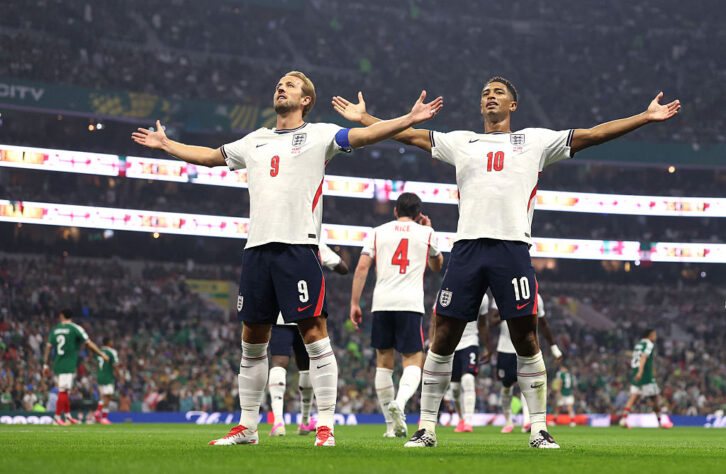
Not long after this, a spark was ignited in a blink-and-you’ll-miss-it moment for the English side as Jude Bellingham scored twice in under 100 seconds, sparking a sharp surge in viewership as more people tuned in to catch the action. Mexico, who had previously lost only two of 89 matches at their home stadium, went on to dampen English celebrations with a goal minutes before half-time.
These were exactly the kind of must-see moments that increase concurrent viewing while giving existing audiences a clear reason to stay as the match approached half-time. This interval typically sees a larger dip in viewership before audiences return for the start of the second half, and this match was no different. Viewership later bounced right back to pre-break numbers in no time.
Mexico’s comeback keeps viewers on the edge of their seats
To the horror of England fans and delight of Mexico’s, a red card reduced England to 10 players ahead of the second hydration break, allowing Mexico back into the contest. Despite this, England extended their lead to 3-1 a few minutes later with a penalty.
As the hosts scored once more from their own awarded penalty and then pushed for an equaliser, audience numbers climbed again and continued to rise as the possibility of a dramatic comeback grew.
The second-half hydration break created the most valuable advertising opportunities of the match, as it came during this period of tension. With audiences still rising and the result hanging in the balance, broadcasters were able to serve ads to the event’s largest audience.
Peak audiences sustained in the dying minutes
The graph shows audience numbers peaking in the final 20 minutes as Mexico strove for an equaliser. England operating with one man down, and Mexico’s valiant effort against them encouraged viewers to stay until the very end.
This fixture maintained momentum well into the final moments. The sharp drop in the graph immediately after full-time shows higher viewership was sustained until the final whistle, giving the closing ad breaks the benefit of a larger audience.
What this means for adtech
England’s victory highlights how quickly audience behaviour can change during major live sporting events. Red cards, penalties, and rapid-fire goals all influence when viewers tune in and how long they continue watching. These factors, in turn, affect ad break viewership and the demands placed on the adtech ecosystem.
To manage these demands while maximising ad revenue for the rights holder, Dynamic Ad Insertion (DAI) acts as a vital bridge between streaming and advertising technologies. On the one hand, ad stitching at scale poses a challenge for streaming tech in an environment where latency as low as possible is beneficial. On the other hand, ad-decisioning engines and any onward programmatic tools benefit from having as much time as possible to consider and respond to ad requests.
Advanced prefetch technology responds to increases in demand by preparing ad requests shortly before each break, allowing the advertising ecosystem more time to respond, and demand partners to compete without being overwhelmed by sudden real-time surges in traffic. This improves fill rates, helps ensure every advertising opportunity is fulfilled to its potential, and maintains the premium viewing experience expected for major events.
When a knockout tie remains alive until the closing minutes, audiences stay engaged, creating valuable advertising opportunities during and after the match. For broadcasters and advertisers, this underscores the importance of adtech that can not only capture these opportunities, but do so at scale.