Talk us through an average day in your role
A lot of the time, my day revolves around sales and consultancy. That might sound fairly routine, with plenty of phone calls and visits to customers either at their offices or out in the field. But over the years, many of those customers have become genuine friends, so it’s actually a really enjoyable way to earn a living.
Where things get really interesting is the film work; there’s no such thing as a “normal” day there. I’ve been in airships and helicopters, on set with James Bond, running up and down a F1 pitlane, and even spent five days living on a US aircraft carrier, complete with a full arrester hook landing and catapult take-off. Of course, I’ve also been bored out of my mind on more shows than I care to count, but the good days more than make up for it.
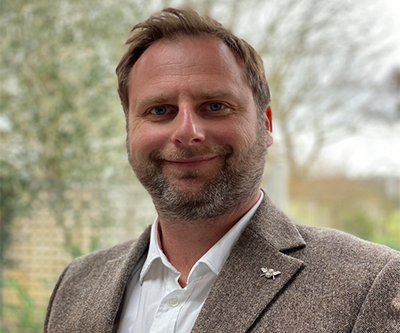
How did you get started in the media industry?
My school had a VHS editing suite, and so I started exploring what I could do with it. I loved what you could create and was really into the technology side of it too. After that, I did a BTEC at a local college and took any work experience I could get.
I was offered two jobs with local companies and chose the one that paid less but seemed more fun. Best decision I ever made. The boss there happened to be friends with someone who worked at Formula One Television, and through that connection, I got an interview. That’s where my career really started out.
What training did you have before entering the industry?
The BTEC I did was in photography and video, although to be honest, it didn’t help me much in practical terms. What really stuck with me was the advice from my tutor, ‘Bruce’, which turned out to be far more valuable than any qualification. “Help anyone you see on set. Be useful. You’re not going to be a director in your first week.” I took that to heart, worked as hard as I could, and built a reputation for being a reliable and useful assistant.
Why do you enjoy working in the industry?
It might sound a bit corny, but it’s the people. From my first work experience to now, I’ve always found that the best part of this industry is the people you meet and work alongside. You see what someone is really like when they’re under pressure, and if they’re still smiling, it usually means they know what they’re doing. So, most of my career has involved spending time with great people, both on the job and afterwards.
The other reason is the travel and the variety it brings. I’ve been all over the world and found myself in some amazing situations—World Cup finals, Olympic Games, music concerts, royal weddings, Formula One, and pretty much any sporting event you can think of. Then there’s the more unexpected moments, like being on a live tank firing range, racing alongside an America’s Cup boat on a RIB, landing on aircraft carriers, flying in helicopters… and I get paid to do all of it.
What piece of advice would you offer someone looking to explore a role similar to yours?
I often get asked if going to university is worth it. I didn’t go, and I’ve done alright. The important thing is to find a way in. Be persistent in looking for any experience you can get, and don’t give up. When you do get the chance, be useful: make the tea, carry things, and make yourself someone they want to have back because you added something to the crew. We were all there at some point.
In the engineering world, there’s now a real blur between IP and traditional broadcast engineering. You need to be the kind of person who can rip out a bit of kit that isn’t working and get your hands dirty, but who also understands how an IP infrastructure works. If you can do both, you’ll be in demand.