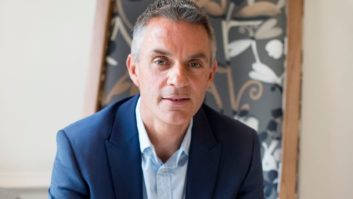
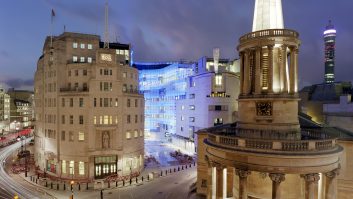
The BBC has confirmed the appointment of Matt Brittin as its new director-general. He will take up the role on 18th May.
The former president of EMEA business and operations at Google is takes over from Tim Davie, who resigned last November following the broadcast of an episode of Panorama that edited a speech by US President Donald Trump.
Speaking about his new role, Brittin said: “Now, more than ever, we need a thriving BBC that works for everyone in a complex, uncertain and fast changing world. At its best, it shows us, and the world, who we are. It’s an extraordinary, uniquely British asset, with over 100 years of innovation in storytelling, technology and powering creativity. I’m honoured and excited to be asked to serve as director-general.
“Working alongside so many talented journalists, creatives and technicians, across the country and around the world, I join with humility, to listen, to learn, to lead, and to serve the public, working hard to earn their trust every day.
“This is a moment of real risk, yet also real opportunity. The BBC needs the pace and energy to be both where stories are, and where audiences are. To build on the reach, trust and creative strengths today, confront challenges with courage, and thrive as a public service fit for the future. I can’t wait to start this work,” added Brittin.
Unlike many of his predecessors, Brittin has never worked for either the BBC or in broadcasting. But, according to Robert Ambrose, co-founder of Caretta Research, his appointment comes at a point in the BBC’s journey where the broadcaster needs someone with solid ‘digital’ experience.

Brittin’s appointment acknowledges the crucial role of consumer-facing technology and platforms in the BBC’s and every broadcaster’s future, Ambrose tells TVBEurope. “This is the point in time that recognises that the future of media in the attention economy is all about the platform, understanding audiences through data and analytics, and putting the right content, in the right format, in front of them at the right time.
“That’s a fundamental pivot from the traditional position of a PSB. For example, the BBC has been super conservative on adopting AI—expect that to change big time under Brittan, who we can expect to drive AI as being some of the answers to the budget gap.”
One of Brittin’s biggest challenges will be in adapting his previous tech company approach to the immense scrutiny that the BBC comes under, says Ambrose. “He’s coming from the sharply-commercial world of Google and the Silicon Valley ‘move fast and break things’ mindset into an organisation which has become even more cautious under the relentless barrage of public and political scrutiny, and resists change.
“Too slow and the BBC risks running out of money and relevance before it can change. Too fast and the next political or public trust slip-up is just around the corner.”
Ambrose expects to see small changes take place quickly under Brittin’s leadership, particularly with the Charter renewal process underway. “Brittin has very little time to shape a clear vision of the BBC’s long-term role in a Netflix-YouTube world that can win over politicians, while pushing for a sustainable post-licence fee funding model.
“The BBC will have to take a long, hard look at priorities—and decide where to rein in costs, and possibly where to spend more.”